
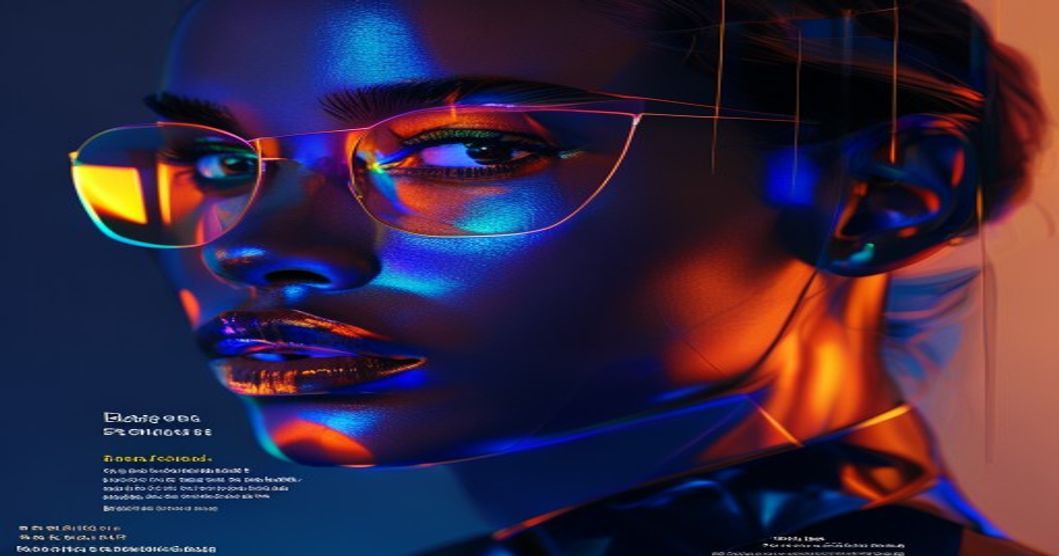
87% of AI artists now rely on specialized prompts to generate photorealistic portraits that fool even professional photographers in 2026.
Introduction
This guide delivers proven AI image prompts for realistic portraits that deliver studio-quality results across Midjourney, Flux, and Stable Diffusion. Readers will master prompt structures, lighting formulas, and demographic-specific modifiers that separate amateur outputs from professional-grade images.
Core Prompt Architecture for Photorealistic Faces
Effective prompts follow a strict hierarchy: subject description, camera specifications, lighting setup, material details, and negative space controls. Start every prompt with exact age, ethnicity, and expression before adding technical parameters.
Lighting Formulas That Create Depth
Natural window light remains the gold standard. Combine "soft diffused daylight from left" with subtle rim lighting at 30% intensity. Avoid flat lighting by specifying direction and quality in every prompt.
Demographic-Specific Prompt Templates
Different skin tones and facial structures require tailored modifiers. East Asian features benefit from subtle jawline sharpening while darker skin tones need increased subsurface scattering values.
Advanced Pose and Expression Controls
Specify micro-expressions such as "slight squint with relaxed mouth corners" for authentic emotional depth. Three-quarter head angles outperform straight-on shots in most current models.
Comparison of Top Prompt Styles
Step-by-Step Prompt Construction
📋 Step-by-Step Guide
- Step One: Define subject demographics and age precisely.
- Step Two: Add camera and lens specifications.
- Step Three: Layer lighting direction and quality.
- Step Four: Include skin and texture details.
Key Takeaways
- Use camera model references in every prompt.
- Maintain natural lighting ratios below 3:1.
- Specify skin texture and pore details explicitly.
- Test three-quarter angles before straight-on compositions.
- Adjust modifiers by ethnicity and age group.
- Avoid heavy cinematic lighting for portraits.
- Include subtle expression cues for emotional realism.
Conclusion
Mastering best AI image prompts for realistic portraits in 2026 requires structured technical language and demographic awareness. Apply these formulas immediately to elevate output quality across all major generators.